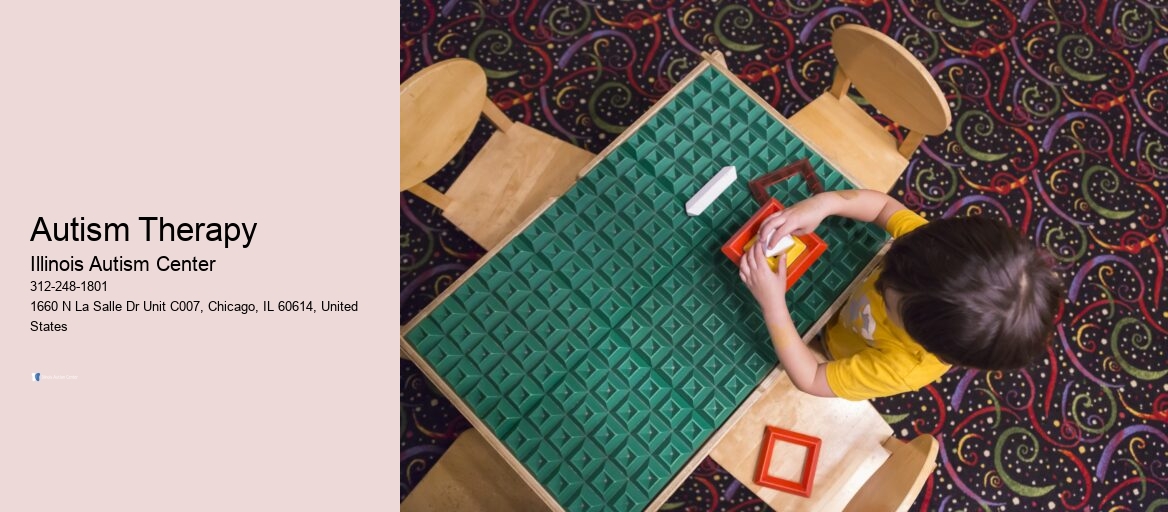
At Illinois Autism Center, we are dedicated to providing top-tier Applied Behavior Analysis (ABA) therapy to autistic individuals up to 18 years old. Our center creates a fun and safe environment where children and their families receive the highest standards of care. Our mission is to foster autonomy and independence while ensuring future success for children in Chicago and the surrounding areas.

Applied Behavior Analysis (ABA) therapy is a widely recognized and evidence-based treatment for individuals with autism spectrum disorder (ASD). Despite its effectiveness, many misconceptions about ABA therapy persist. It's important to address these myths so that families and individuals can make informed decisions regarding care. Here, we debunk five common myths about ABA therapy.
Myth 1: ABA Therapy is One-Size-Fits-All
One common myth is that ABA therapy applies the same techniques to all individuals, irrespective of their unique needs and personalities. In reality, ABA is highly customizable. ABA therapists work to develop individualized treatment plans based on a thorough assessment of each person's strengths, challenges, preferences, and goals. These treatment plans are regularly adjusted to ensure they continue to meet the evolving needs of the individual.
Myth 2: ABA Therapy is Only for Children with Autism
While ABA therapy is best known for its success in helping children with autism, it is not limited to this group. ABA principles can be applied to a wide range of ages and conditions, including adults and individuals with other developmental disorders, behavioral challenges, or learning difficulties. The behavioral principles on which ABA is based are universal and can be applied to improve a variety of socially significant behaviors.
Myth 3: ABA Therapy Involves Harsh Punishments
This misconception likely stems from outdated practices no longer representative of modern ABA therapy. Ethical ABA programs focus on positive reinforcement to encourage desirable behaviors, rather than using punishment to discourage unwanted behaviors. Positive reinforcement involves rewarding a behavior to increase the likelihood of it occurring again. Punishments or aversive stimuli are rarely used, and if they are, they are applied with strict ethical guidelines and only when absolutely necessary.
Myth 4: ABA Therapy Stifles a Child's Creativity
Critics of ABA sometimes argue that the structured nature of ABA therapy suppresses creativity, making children robotic or overly compliant. However, quality ABA programs aim to foster independence and adaptability. Therapy involves teaching foundational skills that can help children navigate their environments more effectively. By learning communication, social, and self-help skills, children can become more confident and autonomous, which can actually enhance their creative expression.
Myth 5: ABA Therapy is Only About Reducing Problematic Behaviors
While reducing problematic behaviors is an aspect of ABA, it is far from the sole focus. ABA therapy aims to increase functional and adaptive behaviors, improve language and communication skills, and develop social skills. The overarching goal of ABA is to help individuals lead more independent and fulfilling lives. By focusing on a broad range of skill development, ABA therapy supports individuals in achieving their full potential.
In conclusion, ABA therapy is a complex and nuanced approach to treatment that has been misrepresented by a number of myths. It is not a rigid, one-size-fits-all method but rather a flexible, individualized approach that can benefit a wide range of individuals. ABA therapy is grounded in the principles of positive reinforcement, and it aims to promote independence, social interaction, and a higher quality of life. By debunking these common myths, we can foster a better understanding of ABA therapy and support those who can benefit from its application.
| Entity | Definition |
|---|---|
| Autism Spectrum Disorder (ASD) Clinic | A clinic that provides specialized care for individuals diagnosed with Autism Spectrum Disorder, offering a range of treatments and therapies. |
| Autism Therapy Center | A facility focused on providing therapy specifically for individuals with autism, often including ABA, speech, and occupational therapy. |
| Autism Support Group | A group that provides support, education, and resources for individuals with autism and their families. |
| Autism Education Center | A center dedicated to providing educational programs and resources for individuals with autism, as well as training for educators and caregivers. |
| Autism Care Center | A comprehensive care facility that offers medical, therapeutic, and support services for individuals with autism. |
The Future of ABA Therapy: Innovations and Trends in Chicago
As we look toward the future of Applied Behavior Analysis (ABA) therapy, particularly in a vibrant and diverse city like Chicago, it is clear that the field is on the cusp of significant transformation. ABA therapy, widely recognized as an effective treatment for individuals with Autism Spectrum Disorder (ASD) and other developmental conditions, continues to evolve as new research, technology, and methodologies emerge. The Windy City, known for its commitment to healthcare innovation and community support, is at the forefront of these exciting advancements. In this essay, we will explore the innovative trends and the future trajectory of ABA therapy in Chicago.
One of the most promising trends in ABA therapy is the incorporation of technology. Chicago, as a hub for tech startups and medical research, is leading the charge in integrating digital tools into therapeutic practices. Mobile applications and virtual reality experiences are being developed to assist ABA therapists in creating more engaging and personalized sessions for their clients. These technologies can simulate real-world scenarios and provide a controlled environment for individuals to practice and acquire new skills. Moreover, data collection and analysis tools are increasingly sophisticated, allowing therapists to track progress more accurately and adjust interventions in real-time, leading to more effective outcomes.
Another trend that is shaping the future of ABA therapy in Chicago is the emphasis on early intervention. Research has consistently demonstrated that the earlier ABA therapy begins, the better the prognostic outcomes for children with ASD. Chicago's healthcare community is making concerted efforts to ensure early screening and diagnosis, with initiatives aimed at training pediatricians and educators to recognize the early signs of ASD. This proactive approach ensures that more children have access to ABA therapy at the critical early stages of development, potentially altering the trajectory of their lives for the better.
Cultural competency is another area where Chicago's ABA therapy providers are making strides. With a population that is a tapestry of cultures, languages, and socioeconomic backgrounds, it is imperative that ABA therapy is accessible and relevant to all communities. Providers are increasingly focusing on cultural sensitivity training, ensuring that therapists can effectively communicate and work within diverse family structures and beliefs. By doing so, ABA therapy becomes more inclusive, and treatment plans are tailored to respect and integrate cultural values and practices, which is essential for the therapy's success.
In addition to these trends, there is a growing movement towards a more holistic and multidisciplinary approach to ABA therapy. Chicago's medical institutions and therapy centers are fostering collaborations between ABA therapists and professionals from other disciplines such as speech and language pathology, occupational therapy, and education. This integrated approach allows for a more comprehensive treatment plan that addresses the multifaceted needs of individuals with ASD.
Lastly, the future of ABA therapy in Chicago is also being shaped by advocacy and policy. Advocacy groups are working tirelessly to increase awareness about ASD and the effectiveness of ABA therapy, which in turn influences policy decisions. Legislative progress, such as insurance reform to cover ABA therapy, has been made, and there is a push for further changes to ensure that every individual who needs ABA therapy can access it. As awareness grows, so does the demand for ABA services, prompting the need for more trained professionals in the field.
In conclusion, the future of ABA therapy in Chicago is bright and brimming with potential. With the integration of cutting-edge technology, a focus on early intervention, increased cultural competency, multidisciplinary collaboration, and strong advocacy, ABA therapy is becoming more effective, inclusive, and accessible. As Chicago continues to lead in innovation and trends within the field of ABA therapy, it sets a precedent for other cities to follow, ultimately advancing the quality of life for individuals with ASD and their families.
We offer family support through training, counseling, and resources to help integrate therapy goals into daily life.
We adhere to strict safety protocols and maintain a secure, supportive environment for all children.
The duration varies depending on individual needs, but therapy is often ongoing for several months to years.