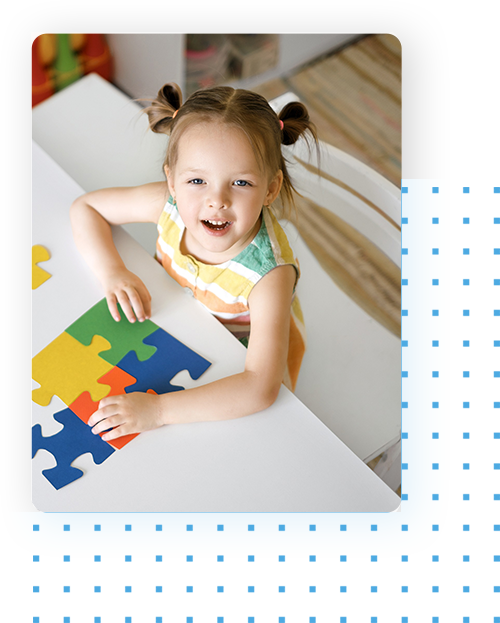
As a unique ABA therapy center, Illinois Autism Center is dedicated to serving autistic individuals up to the age of 18. We offer a safe and fun environment where children and their families receive the highest level of care. Our mission is to provide ethical, high-quality services that support autonomy, independence, and long-term success for children in Chicago and surrounding communities.
Applied Behavior Analysis (ABA) therapy is a widely recognized and effective treatment for children with autism spectrum disorder (ASD). One of the primary goals of ABA therapy is to improve communication skills, as many children with autism struggle with various aspects of verbal and non-verbal communication. Communication is a critical skill that enables individuals to express their needs, share their thoughts, and interact socially. By focusing on communication, ABA therapy plays a pivotal role in helping children with autism enhance their ability to connect with others and navigate the world around them.
Autism is a developmental disorder that affects social interaction, communication, and behavior. While the symptoms and severity vary widely among individuals, challenges with communication are a common thread. These challenges can range from complete lack of speech to difficulties understanding social cues. For some children with autism, their communication hurdles might manifest as repetitive or echolalic speech, where they repeat words or phrases they've heard, rather than formulating their original responses.
ABA therapy begins with a comprehensive assessment conducted by a trained behavior analyst. This assessment identifies a child’s strengths and areas of need, including communication skills. Once the assessment is complete, the therapist sets individualized goals for the child, which could include a variety of communication skills such as initiating conversation, requesting items, responding to questions, or understanding nonverbal cues.
The therapy itself is highly structured and uses reinforcement strategies to encourage positive behaviors and communication. One fundamental technique used in ABA is discrete trial training (DTT), where a skill is broken down into small, manageable steps, and each step is taught individually in a controlled setting. Through repetition and positive reinforcement, the child learns to associate certain behaviors, such as using a word or a gesture to communicate, with positive outcomes, like receiving a desired item or praise.
Another critical aspect of ABA therapy is teaching functional communication. This means that children are taught to use communication as a tool to achieve real-world objectives. For instance, if a child wants a toy, the therapist will encourage them to use words, signs, or an assistive device to ask for it rather than crying or becoming frustrated. Over time, these functional communication skills become habitual and can be used in a variety of settings, from home to school to the community.
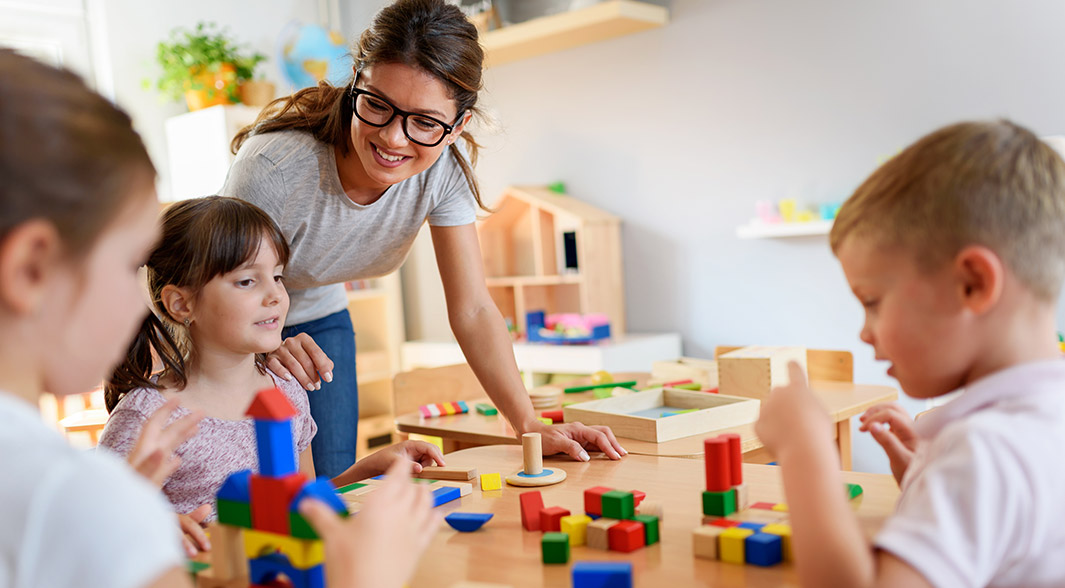
Natural Environment Training (NET) is another technique used in ABA therapy that takes place in the child's regular environment rather than a clinical setting. This approach integrates learning opportunities into everyday activities and interactions. For example, a therapist might work on communication skills with a child during playtime by modeling language, prompting the child to use language, and then reinforcing successful communication. This method makes the learning process more engaging and relevant to the child, and it helps generalize the skills learned to other settings.
Social skills groups are also a component of ABA therapy for some children. These groups provide a structured environment where children can practice interacting with peers under the guidance of a therapist. Through role-playing, games, and other activities, children learn to take turns, read social cues, understand emotions, and engage in conversations, which are all essential components of effective communication.
Parent training is another vital element of ABA therapy. Parents are taught ABA techniques to use at home, ensuring consistency and continuity in the child’s learning process. By reinforcing the communication skills learned during therapy sessions, parents help their children to further develop and maintain these skills.
In conclusion, ABA therapy is instrumental in helping children with autism improve their communication skills. By employing a range of techniques tailored to each child's unique needs, ABA therapists can foster significant growth in a child's ability to express themselves and understand others. As communication skills improve, children with autism can form better relationships, experience less frustration, and enjoy a higher quality of life. While ABA therapy requires commitment and consistency, the progress made in communication can be one of the most rewarding outcomes for children and their families.
| Entity | Definition |
|---|---|
| Autism Treatment | Therapeutic interventions designed to improve social skills, communication, and behavior in individuals with autism. |
| ABA Therapy | Applied Behavior Analysis (ABA) therapy is a common treatment for autism that focuses on improving specific behaviors. |
| Occupational Therapy for Autism | A therapy that helps individuals with autism improve daily living skills and sensory processing. |
| Speech Therapy for Autism | A therapy that focuses on improving communication skills in individuals with autism, including both verbal and non-verbal communication. |
| Behavioral Therapy | A type of therapy that addresses behavioral challenges in autism, focusing on reducing problematic behaviors and encouraging positive ones. |
Choosing an Applied Behavior Analysis (ABA) therapist for your child can be a critical decision that impacts their development and well-being. ABA therapy is a widely recognized and evidence-based treatment for individuals with autism spectrum disorder (ASD) and other developmental issues. It involves a structured approach to enhance positive behaviors and reduce those that may be harmful or interfere with learning. Before starting treatment, it's essential to ensure that the therapist is a good fit for your child and that their approach aligns with your family's needs and values. Here are ten important questions to ask your ABA therapist before beginning treatment:
1. **What is your educational background and certification in ABA therapy?**
It's important to know that the therapist has the proper training and credentials. Board Certified Behavior Analysts (BCBA) have a master's degree or higher in behavior analysis or a related field, along with certification from the Behavior Analyst Certification Board.
2. **Can you describe your experience working with individuals with ASD or similar conditions?**
Experience matters. You want to ensure that the therapist has a successful track record of working with individuals who have challenges similar to those of your child.
3. **How do you tailor your ABA programs to individual needs?**
ABA should never be a one-size-fits-all approach. The therapist should be able to assess your child's unique strengths and challenges and create a personalized treatment plan.
4. **What methods do you use to evaluate progress?**
Regular assessment is vital to measure progress and make necessary adjustments to the therapy plan. Ask about the tools and methods they use to track and evaluate your child's development.
5. **How do you involve parents and family in the therapy process?**
Family involvement is crucial for the success of ABA therapy. The therapist should be willing to work closely with you, teach you ABA techniques, and incorporate your input into the treatment plan.
6. **What is your approach to managing challenging behaviors?**
Understand the strategies the therapist will use to address difficult behaviors. It's important that their methods are ethical, respectful, and align with your family's values.
7. **How do you ensure that gains in therapy are generalized to other settings?**
Skills learned during therapy should transfer to various settings, such as home, school, or the community. Ask how the therapist plans to facilitate this generalization of skills.
8. **Can you provide references from other families you've worked with?**
Hearing from other families about their experiences can provide valuable insight into the therapist's effectiveness and style.
9. **What is your communication policy?**
Consistent and open communication is essential. Inquire about how the therapist will communicate with you about your child's progress and any issues that may arise.
10. **What are the expected goals and outcomes of the therapy, and what is the estimated timeline?**
While every child's progress is different, the therapist should be able to outline some potential goals and an estimated timeline for achieving them based on their initial assessment of your child.
By asking these questions, you'll gain a clearer understanding of what to expect from the ABA therapy and how it will be implemented. This will help you make an informed decision about whether a particular therapist or therapy center is the right fit for your child and family. Remember, the most effective ABA therapy is one that is collaborative, transparent, and tailored to the unique needs of your child, ensuring they have the best possible support on their developmental journey.
Yes, we encourage parent involvement and provide training to help support and reinforce therapy goals at home.
While our center provides in-person therapy, we also offer options for in-home sessions if needed.
Our therapists use evidence-based strategies to manage and address challenging behaviors effectively and positively.
ABA therapy helps by teaching new skills, reducing problematic behaviors, and improving social and communication abilities.
Sessions typically last between 1 to 2 hours, depending on the individual therapy plan.
Progress is measured through regular assessments, tracking behavioral changes, and evaluating the achievement of set goals.
We offer family support through training, counseling, and resources to help integrate therapy goals into daily life.